


.svg)

By Kathryn Hoogesteger
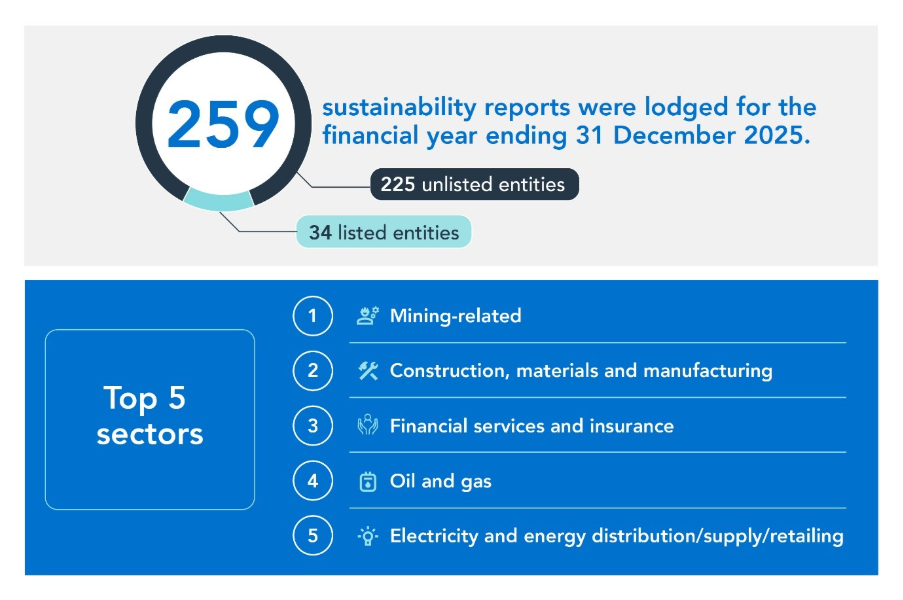
Australia's mandatory sustainability reporting regime is no longer something to plan for down the track — it is here now. ASIC has just released its early observations from the first wave of reports lodged under Chapter 2M of the Corporations Act, and if you are approaching a 30 June 2026 reporting date, this is worth your attention.
There is genuine good news in the findings. ASIC acknowledges the significant effort entities have put in and welcomes the improvement in quality and consistency compared to previous voluntary disclosures. The regime is working as intended.
That said, the review also identified some notable gaps, and they are not obscure technicalities. They are the kinds of things that should be addressed at the planning stage, not picked up after the report has gone in.
What ASIC Actually Found
Six observations came out of the review. Here is what they mean in plain terms
- Don't tell readers not to trust the report you just filed. Some companies included fine print saying readers shouldn't rely on the report for investment decisions, or that the company wasn't responsible for its accuracy. You can't lodge a mandatory report and simultaneously disclaim it. ASIC is not impressed.
- If bad things have happened to your assets before, say so going forward. Where a company's assets had been damaged or disrupted by extreme weather in previous years, and that was already on the public record, ASIC found some of those same companies weren't flagging similar risks for the future. What has already happened to you is relevant information. Leaving it out is not an option.
- Show your working. When companies made judgement calls about what to include or how to measure something, they often didn't explain their reasoning. Readers were left to guess. ASIC wants to see the logic sitting right next to the disclosure it relates to, not buried in an appendix or absent altogether.
- Don't let the extras drown out what actually matters. Some reports included so much additional, voluntary information that the important stuff got lost. More pages does not mean a better report. If something is material, it needs to be easy to find.
- You can't point to someone else's document and call it your own disclosure. Some companies cross-referenced websites they don't own, or reports written by other organisations. If you are relying on a document to support your report, it needs to be yours, lodged at the same time, with a precise reference to the relevant section.
- If the law requires you to hit an emissions target, that is a climate target. Disclose it. There was real variation in how companies interpreted this. To be clear: if your business is subject to the Safeguard Mechanism, those emissions obligations count as climate-related targets under the reporting standard and need to be disclosed as such.
So, What Does This Mean for You?
The through-line across all six observations is the same: be clear, be honest, and document your thinking as you go. Sustainability reporting is not something you can pull together in a hurry at year end and expect it to hold up to scrutiny. It reflects the quality of the information and processes you have had in place all year.
This is where platforms like Smart Zero, Smart Commercial Energy's ESG reporting tool built on the NetNada framework, can make a real difference. It helps sustainability teams capture and organise their data throughout the year, so that when the reporting deadline arrives — and when ASIC comes asking — the answers are already sitting in the system.
The Bottom Line
ASIC will continue reviewing December 2025 reports throughout the year, with final observations expected in the second half of 2026. If you are obliged to report, there is still time to get this right — but that window will not stay open indefinitely.


 1300 044 087
.png?width=19&height=19&name=FB%20(3).png)
.svg)
.png?width=19&name=Youtube%20Copy%20(1).png)
.svg)