
Case Study
Goulburn
Community
Solar Farm

Project Size:
1.4MW Solar Farm +
4.0MWh Battery Storage

Total Solar Capacity: 1.4MW

Total Battery Capacity: 4.0MWh

380+ Investors, with ~80% based locally

$3.4M community funds raised

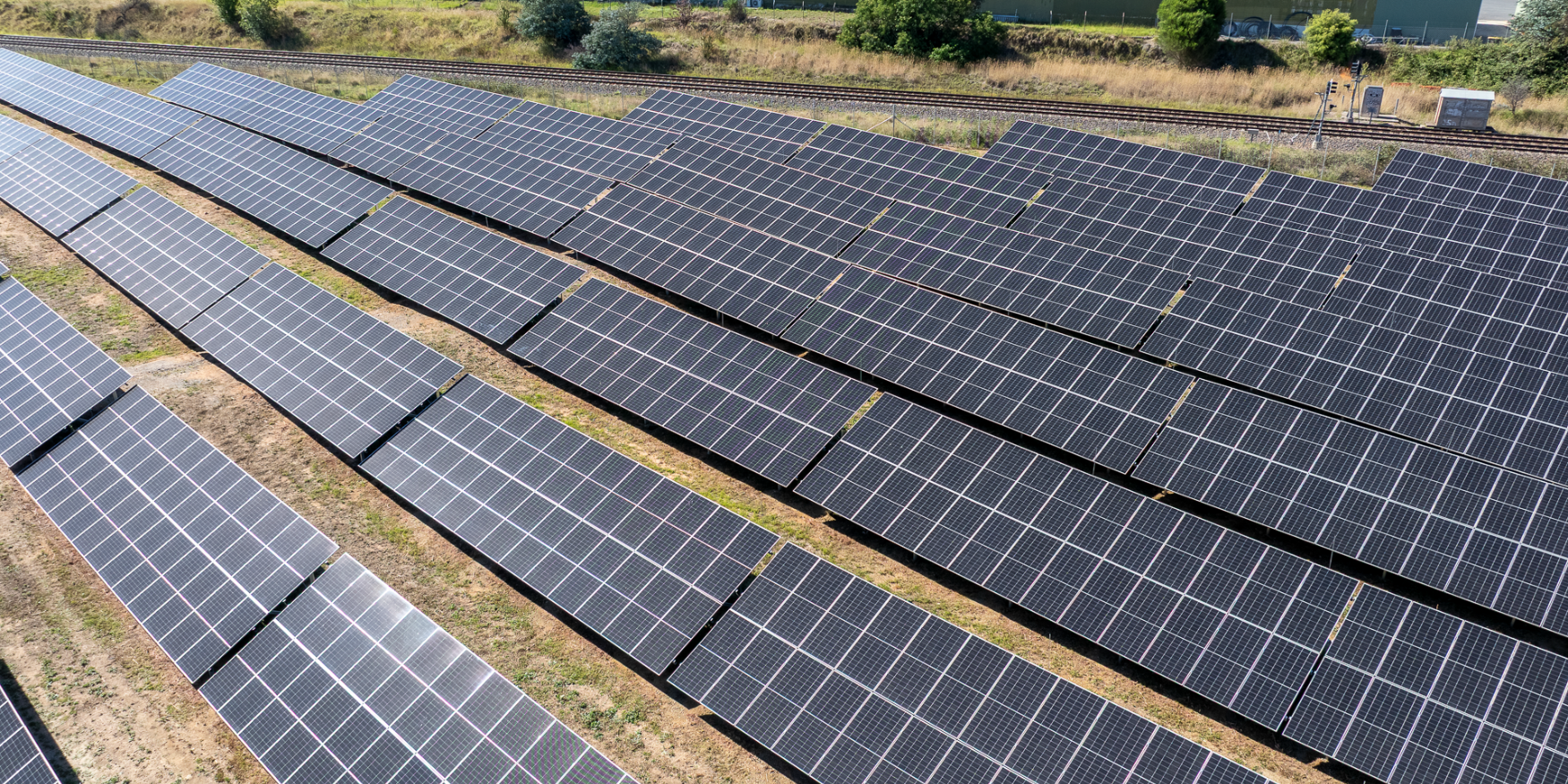
“For ten years at that site there was dirt, weeds and nothing... and within six months it's covered in panels, inverters and wiring.”
Ed Suttle
Vice President, Community Energy for Goulburn
THE SOLUTION
Working alongside Komo Energy and Community Energy 4 Goulburn, Smart brought structure and technical clarity to a highly complex project. The focus was on aligning engineering, procurement, and delivery decisions with both the realities of the site and the expectations of the community behind it.
The system design was carefully tailored to fit the constraints of the land, while supplier selection considered not just technical capability, but alignment with the project's broader goals. An innovative integrated solution from Trina Solar was chosen for panels, racking, and battery, helping to streamline coordination across key components.
Flexibility was critical throughout delivery. Unlike more conventional projects, this system required an adaptive approach, responding to challenges as they arose while keeping the project commercially and technically viable. By working closely with the development partner and the wider stakeholder group, progress continued even when conditions were less than straightforward.
“It's a large system for a community group to build and fund. The scale and the costs of the infrastructure are quite high.”
Kealy Day
Chief Technology Officer, Smart Commercial Energy
THE RESULTS
The project has delivered a renewable energy asset that is both technically robust and genuinely community-backed.
It now supplies renewable energy directly into the grid, while proving that locally funded infrastructure can succeed without relying on traditional development models. One of the most notable outcomes has been the level of community involvement, with strong investor support maintained throughout the project’s long journey.
Once approvals and funding were secured, construction moved quickly, highlighting the contrast between the complexity of development and the pace of delivery on site. The end result is not just an operational system, but a clear example of what is possible, giving other regional communities the confidence to pursue similar projects.
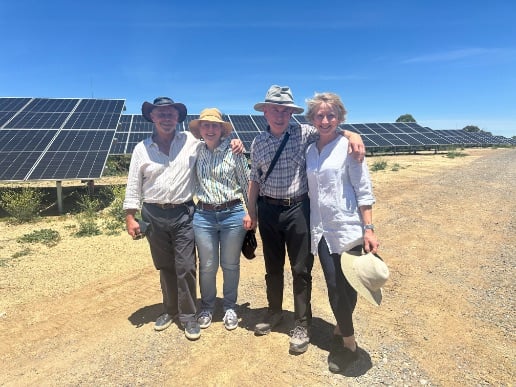
The project was formally marked with a community ribbon cutting event, bringing together the many people who contributed to its success and celebrating what had been achieved together.

THE RECOGNITION
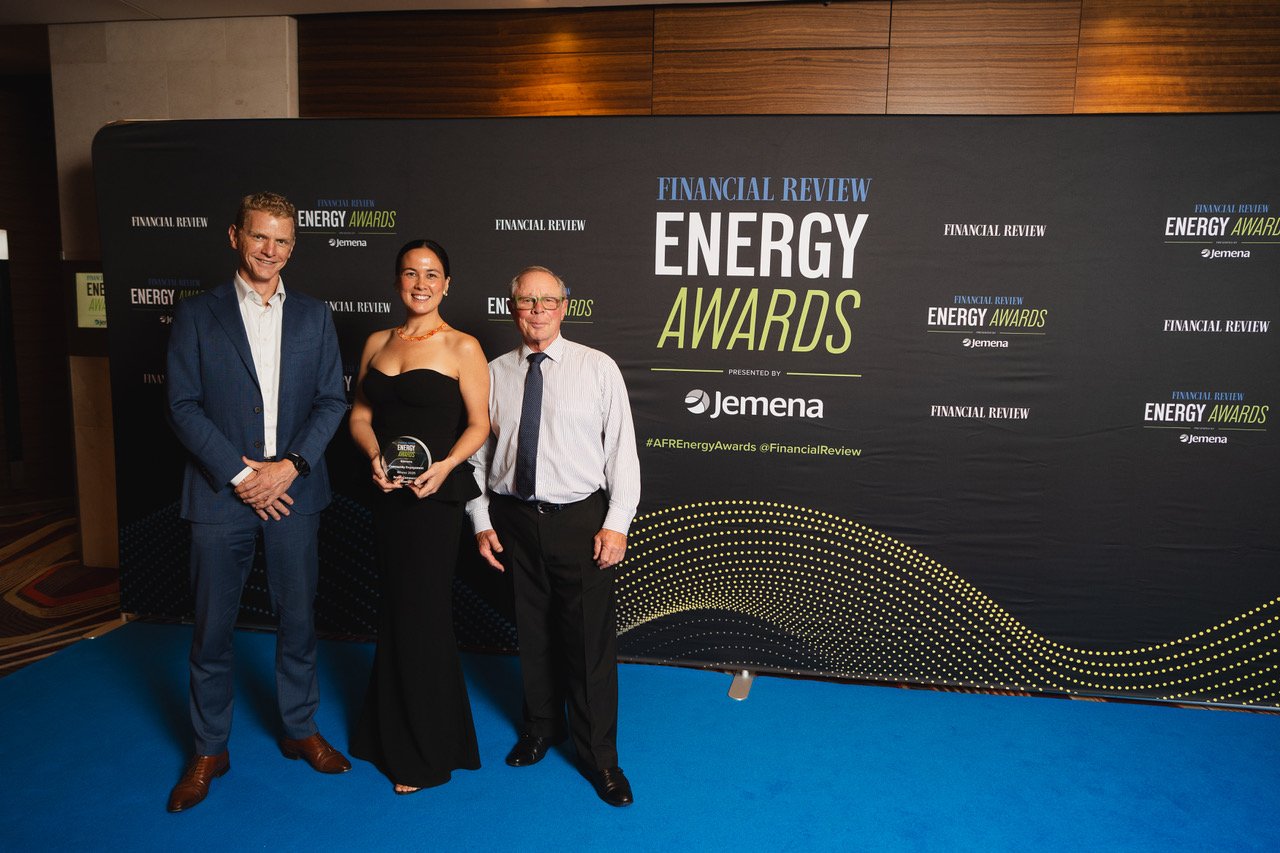
The Goulburn Community Solar Farm, delivered by Smart Commercial Energy in collaboration with local partners, has earned recognition for its innovative approach to community-owned renewable energy. The 1.4MW solar farm, paired with 4MWh of battery storage, has received both a Clean Energy Council award and the 2026 AFR Energy Award for Community Engagement, recognising the collaborative effort and persistence behind the project. It has also featured in broader conversations about community energy and the transition to a cleaner energy future, including Climate Action Week.
The project was also featured in Sydney Climate Action Week 2026, with a dedicated session exploring the decade-long journey from a community ambition to a working solar farm, and what other communities can learn from its success. Together, these milestones are helping put community-owned renewable energy on the map, demonstrating how local investment, persistence and collaboration can deliver lasting benefits beyond clean energy alone.
