What Happened
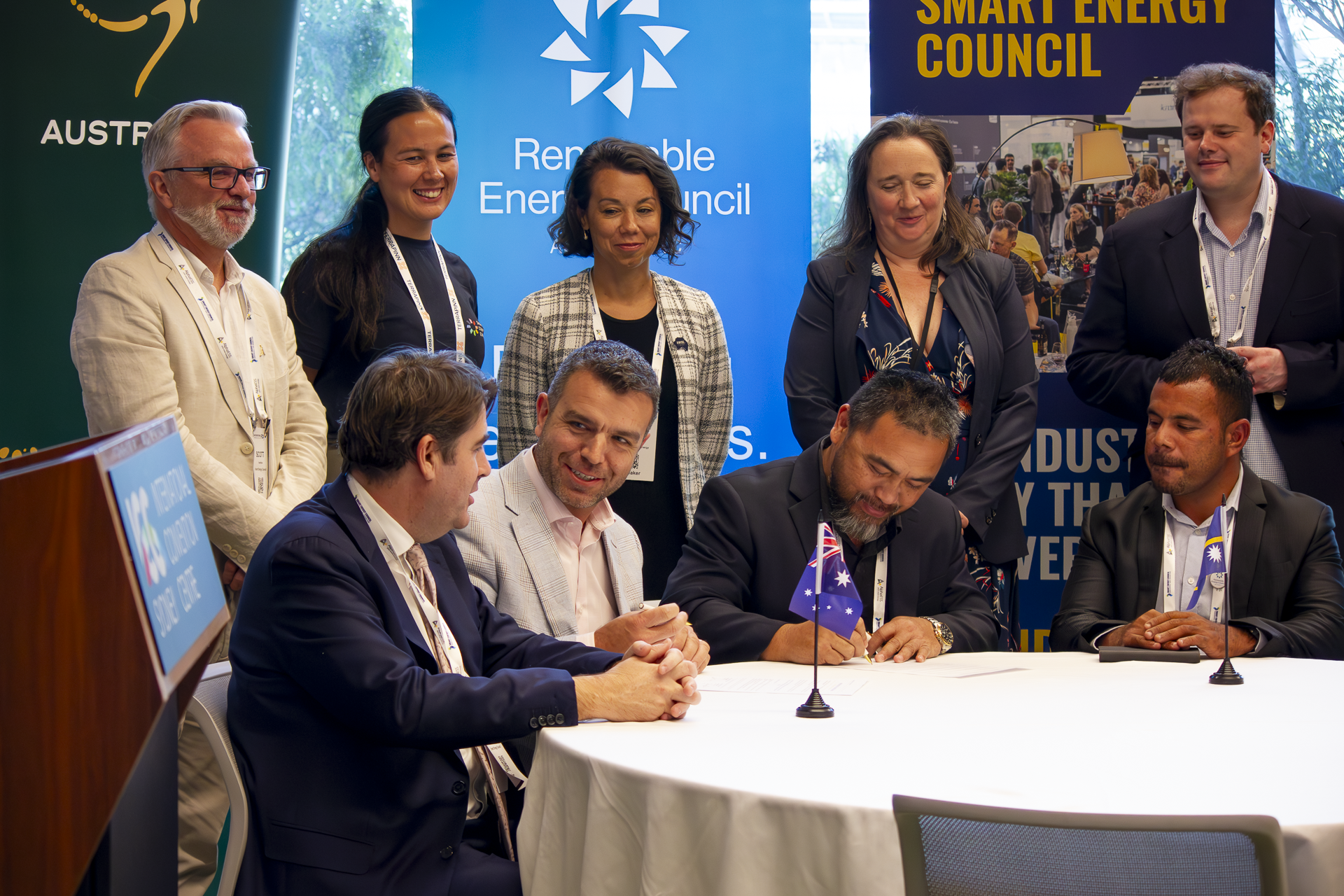
In May 2026, on the sidelines of the Smart Energy Conference in Sydney, we signed a Memorandum of Understanding with the Republic of Nauru. It formalises our intention to develop an 18 MW solar and 40 MWh battery storage system for the island — and to begin the technical and commercial investigations needed to get it built.
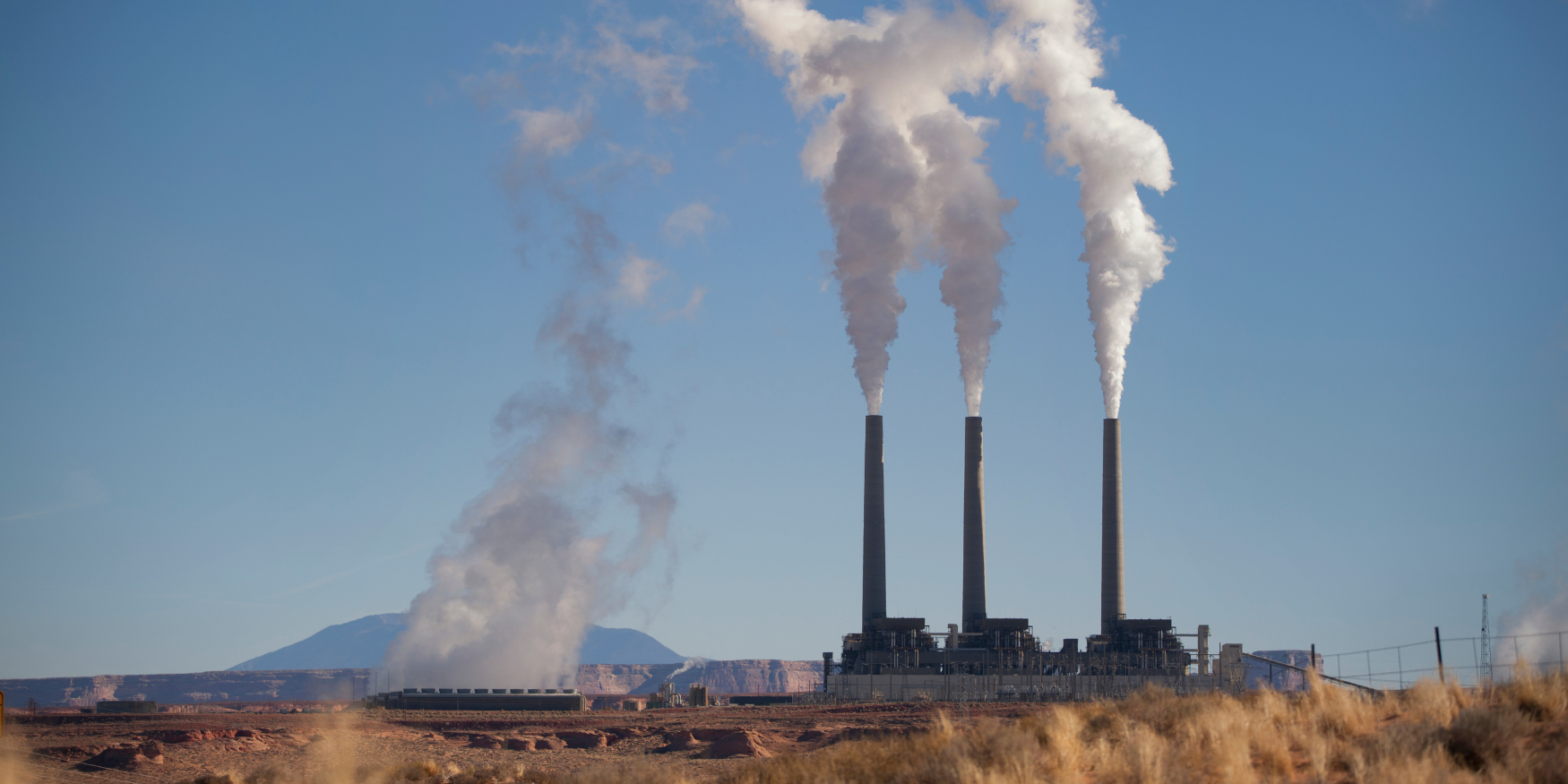
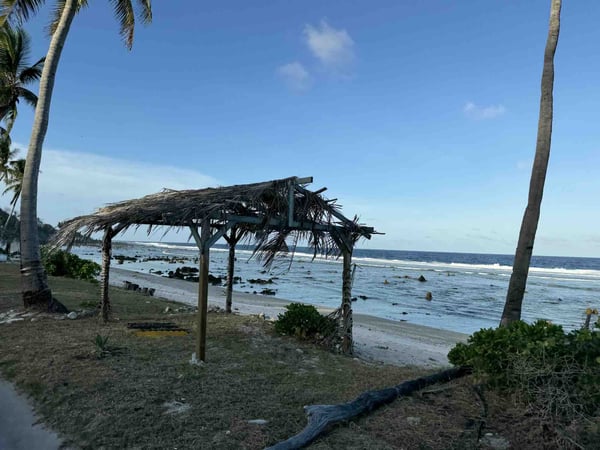
Nauru is one of Australia's closest Pacific neighbours. It sits about 3,300 kilometres northeast of Brisbane, with a population of roughly 13,000 people and a total land area of 21 square kilometres. Every watt of electricity generated there today comes from diesel shipped in across the ocean. The island burns around 8 million litres of it a year — making its power grid both expensive and fragile.
Renew Economy covered the signing and described it as an historic deal. We'd agree. Signing an MOU with an entire sovereign nation isn't a typical day at the office. But the approach behind it is something we think about every day.

"Signing an MOU with an entire country is not something you do every day."
Huon Hoogesteger
Managing Director & CEO, Smart Commercial Energy
Why This Is Different
Pacific island nations have historically relied on aid funding, government grants, or development bank loans to upgrade their energy infrastructure. Those models can work, but they come with strings — long approval timelines, donor conditions, and infrastructure that the host country rarely ends up owning on its own terms.
We're not doing any of that. We're treating Nauru the same way we'd treat any large commercial energy project in Australia.
This distinction matters. A commercial deal is repeatable. It doesn't depend on aid budgets or political goodwill. It works because the economics make sense on both sides — and that's the kind of foundation that actually gets projects built.
_11.png)