Case Study
AirTrunk
Project Size:
170kW Rooftop Solar
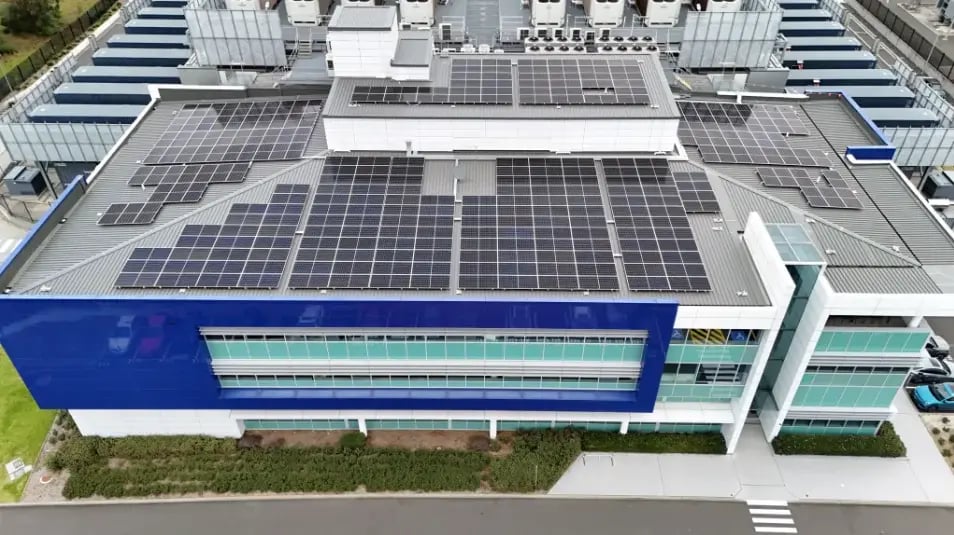
For AirTrunk’s Sydney data centre, the goal was simple: make the most use of all available rooftop space to generate renewable energy onsite through solar power.
Delivering it was more complex.
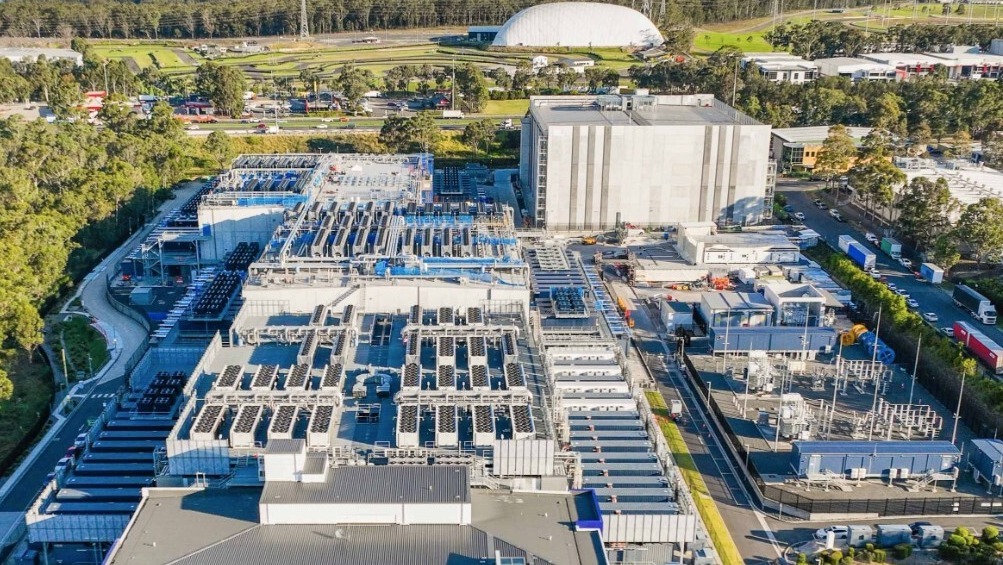
Much of the roof was already occupied by the cooling equipment essential to the facility’s operation. Any solar installation would need to be carefully engineered around this infrastructure, then connected through a challenging cable route without interfering with the data centre’s operations.
Designed around critical cooling infrastructure
Complex integration within an operational facility
Located in Sydney West (AirTrunk SYD1)
AirTrunk selected Smart Commercial Energy to design and deliver a tailored 200kW rooftop solar system around these constraints. The array was configured within the usable roof space, while the electrical solution was developed around the site’s existing infrastructure and continuity requirements.
AirTrunk operates hyperscale data centres across Asia-Pacific and the Middle East, supporting cloud, content and large enterprise customers. At its Sydney facility, substantial and continuous electricity demand meant that all renewable electricity generated onsite would power operations, with zero energy exported to the grid.
The completed installation demonstrates that the value of a commercial solar project is not measured by capacity alone. In a critical operating environment, successful delivery depends on understanding the facility, designing around its constraints and managing every technical and operational interface with care.
“Introducing solar power at SYD1 is a key step in reducing emissions and enhancing sustainability. By integrating clean energy into our operations, we’re supporting the transition to a more sustainable and resilient energy system.”
Jonty Terry
Technical Services Manager, AirTrunk
THE CHALLENGE
Cooling is fundamental to data centre operations, and much of the available roof space was already occupied by equipment for this purpose. The solar array therefore needed to be configured around infrastructure that could not be relocated or compromised.
This restricted both the size and layout of the installation. It also meant Smart had to account for the access and clearances which would be required to operate and maintain all rooftop equipment.
The challenges continued beyond the roof, with the solar system requiring a complex cable route. The electrical design and delivery plan needed to account for physical access, existing services, site governance and the strict controls expected within critical digital infrastructure.
Most importantly, the work could not put AirTrunk’s operations at risk. As Huon Hoogesteger, Managing Director at Smart Commercial Energy, explained, “The complexity was the cable run and not being able to interrupt their business in any way. That was a real challenge.”
Finally, this project had a different commercial rationale from many conventional solar investments. AirTrunk’s purchasing scale gave the business access to highly competitive electricity rates, so this was not simply a conventional short-payback solar project.
Its value lay in supporting AirTrunk’s wider sustainability direction through adding onsite renewable generation within the physical limits of the facility, making productive use of available rooftop space to reduce emissions.
THE SOLUTION
Smart Commercial Energy developed a tailored 170kW rooftop solar system around the facility’s infrastructure and operating requirements.
The project team conducted a site inspection to establish where solar could be installed, then designed the array to use all available space without compromising access or clearance.
The project was delivered as a solar-only installation, without battery storage. AirTrunk’s substantial, continuous electricity demand meant the energy generated could be used onsite as it was produced, without any need to store it for later use.
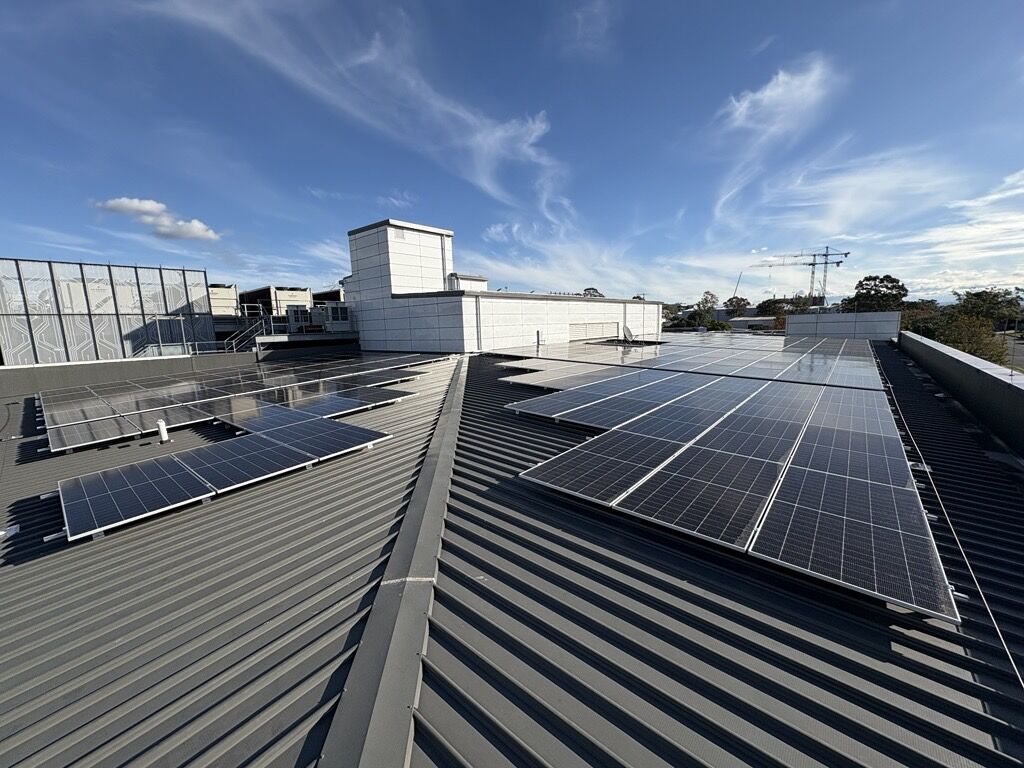
Smart also engineered the electrical integration around the site’s tricky cable route. This required next-level design expertise, disciplined governance and a clear understanding of how to integrate new energy infrastructure into a critical operating environment.
By treating the rooftop, electrical and operational requirements as one integrated challenge, Smart created a commercial solar solution aligned with the facility’s available space, energy profile and operating priorities.
THE OUTCOME
The completed system converted a crowded rooftop into a source of clean, green electricity for AirTrunk's Western Sydney data centre.
By engineering the array around the facility’s cooling equipment and resolving the complex electrical connection, Smart enabled AirTrunk to make productive use of their space to maximise on-site generation.
The size of the roof versus the electricity demand of the facility means the system supplies only a modest proportion of the site's operational needs, but its value extends beyond this. It contributes to AirTrunk's published ESG commitments: to achieve net-zero Scope 1 and Scope 2 emissions by 2030, reach 100% renewable energy matching at all sites by 2030 and progress towards 24/7 clean energy across Asia-Pacific and the Middle East.
WHAT’S NEXT
The Sydney project provides a practical model for assessing future solar opportunities across AirTrunk’s portfolio.
Huon Hoogesteger, Managing Director at Smart Commercial Energy, said, “They are intent on doing more solar.”
Each data centre will require an individual assessment. Structural capacity, cooling infrastructure, usable rooftop space, electrical configuration and operational controls can vary significantly between facilities.
Smart brings these factors together to identify where onsite renewable energy can create credible value. The approach is to understand the facility, establish the practical opportunity and engineer a solution around the customer’s operational priorities.
Image credit: AirTrunk